Services › New builds
Koi ponds
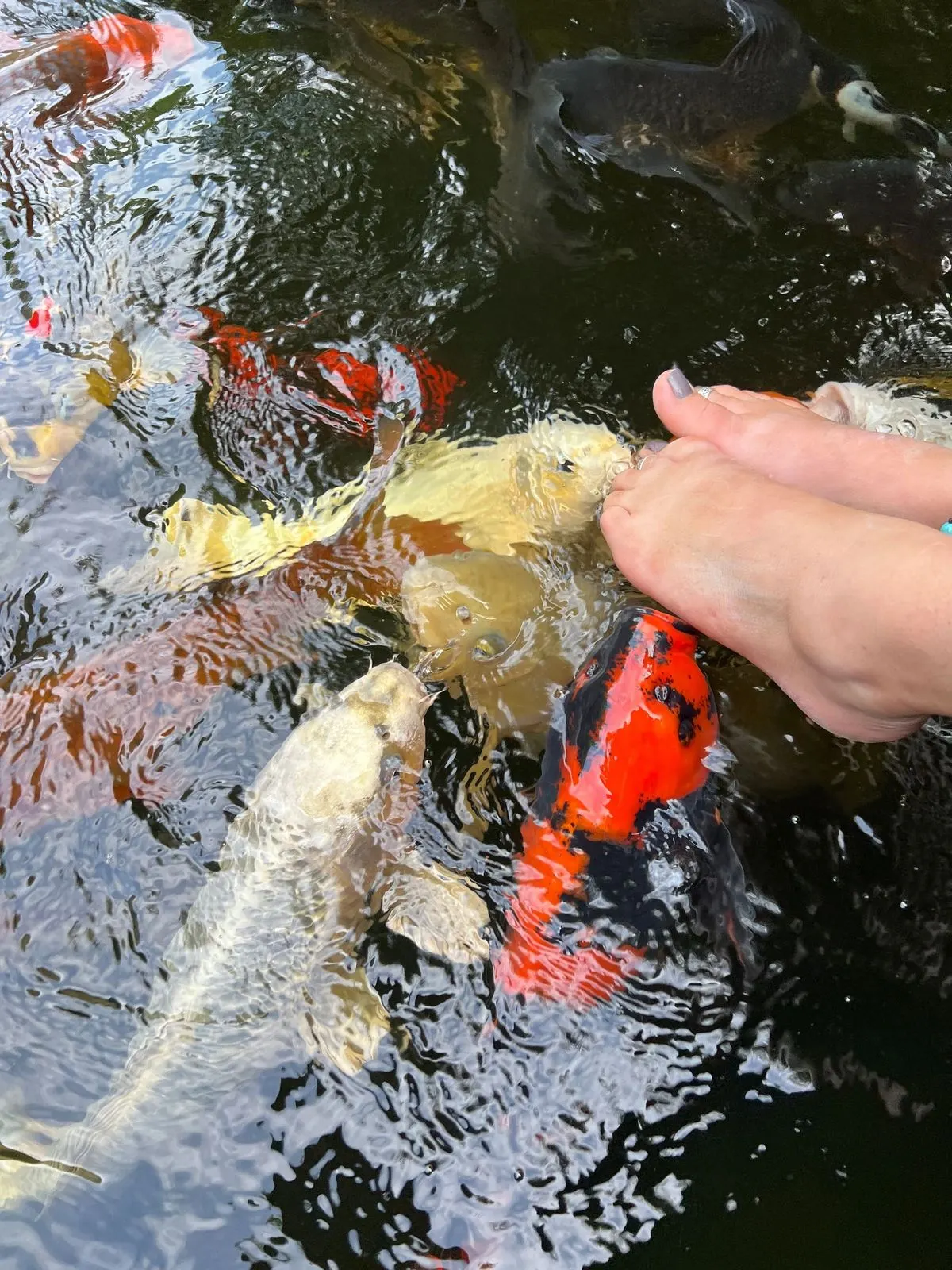
A true koi pond is livestock life support with a landscape around it. That sounds unromantic, and it is the single most useful thing anyone will tell you before you build one.
Koi are large, long-lived, heavily fed carp. They produce a waste load that no amount of gravel and good intentions will process. So a koi pond is deep, the floor is smooth and sloped to a drain, planting is minimal, and the filtration is plumbing sized to the fish — not a kit chosen by pond surface area.
It runs on engineering. A water garden runs on biology. Confusing the two is the root cause of most unhappy ponds in New Jersey.
What a koi pond needs here
Numbers for northern New Jersey specifically — zone 6, ponds that freeze over.
| Element | What we build to | Why |
|---|---|---|
| Depth | 3 ft absolute minimum, 4 ft target; 5–6 ft for a serious collection | Thermal and oxygen buffer through a frozen winter — and depth is also the only predator defence that works. A heron wades; it cannot hunt water it cannot stand in. |
| Floor | Bare liner or render, sloped about 1 in per foot to a bottom drain | Waste walks downhill to one place where it can leave. A fully gravelled floor under a real fish load becomes a sludge bed no vacuum reaches. |
| Bottom drain | Essentially mandatory | Skimmer-only means the heaviest waste never leaves the pond. It is the retrofit nobody can afford later. |
| Turnover | 1× the pond volume per hour minimum; 1.5–2× if stocked hard | The whole body of water passes through filtration every hour. |
| Filtration order | Bottom drain → settlement or sieve → biological → UV → aeration | Solids come out mechanically first. Sending them into a biofilter is how filters clog and ponds crash. |
| Planting | Lilies in protected pots at most, often none | Koi eat plants. This is not a defect in the koi. |
The failure we get called out to fix. A 20-inch-deep planted pond, gravel floor, no bottom drain, a filter sized for goldfish — stocked with six 4-inch koi that will be 20-inch koi in four years. Ammonia spikes every summer, the winter is genuinely dangerous, and the owner concludes ponds are a nightmare. They are not. That one was built as a water garden and sold as a koi pond.
Why we push external pumps
This is the least glamorous page on this site and it may save you the most money.
A koi pond pump runs 24 hours a day, every day, for years. It is almost always the largest single electrical load a pond owner adds to their house, and the difference between a good pump and a cheap one is not measured in the purchase price.
A properly matched external pump moving the same water can draw well under a third of what a typical mass-market submersible pulls. At New Jersey electricity rates that difference runs to well over a thousand dollars a year on a decent-sized pond — every year, for the life of the pond.
That is why we stock Performance Pro, Sequence, Ultima II and Aqua Ultraviolet rather than whatever comes bundled in a kit. It is not brand loyalty. It is the running cost.
Ask us to work out the actual number for your pond volume and head height before you commit to anything.
Come and look at one first
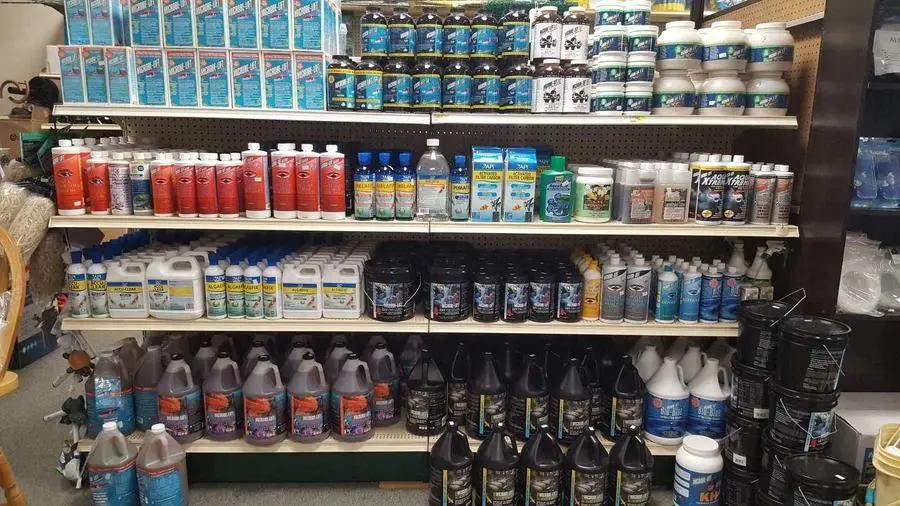
We have seven ponds on site. Walk them, see the depth, hear the falls, and ask what went wrong on the ones we have had to rebuild.